

Why You Shouldn’t Skip Your Routine Eye Exam
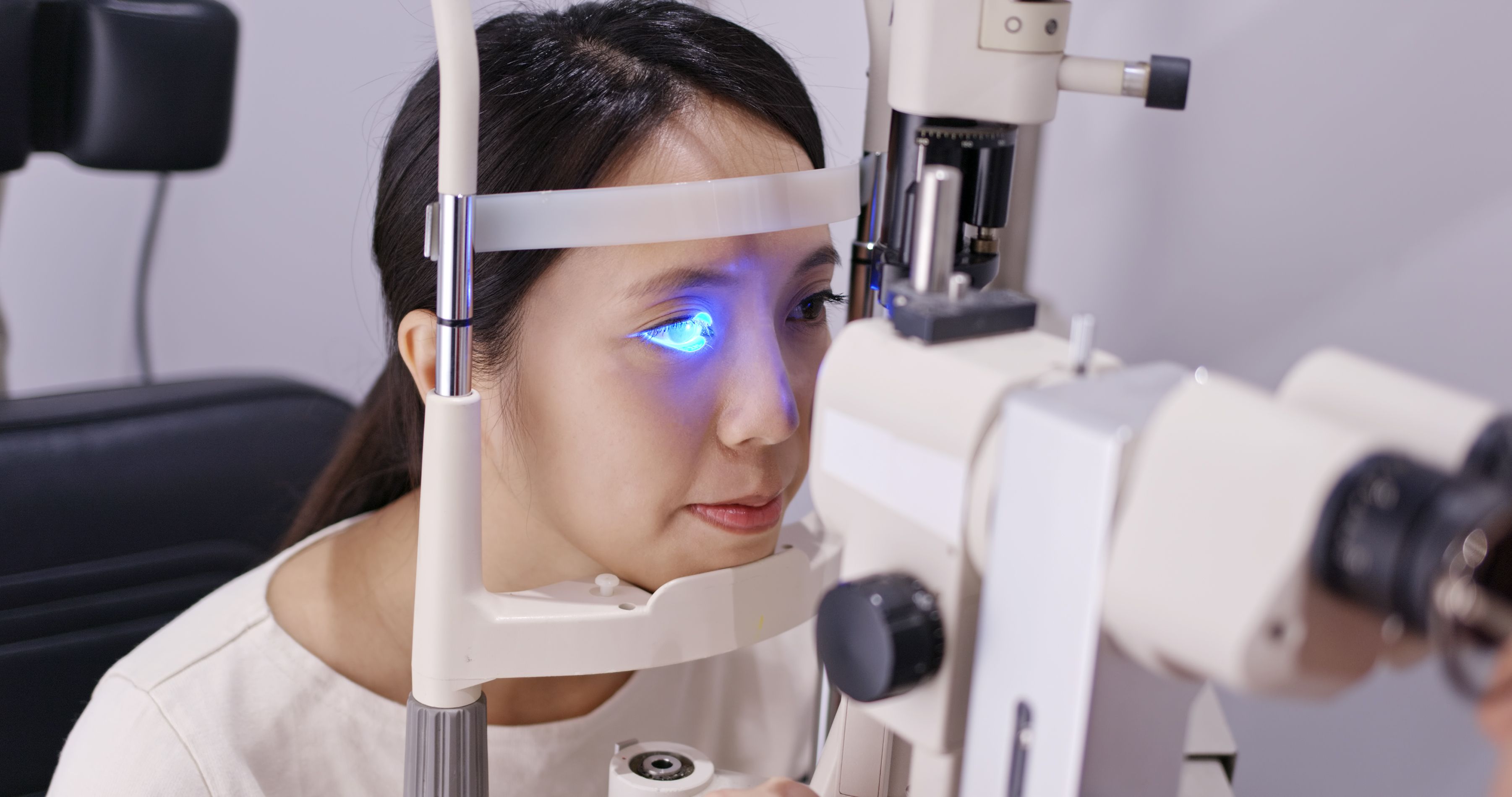
It’s easy to postpone an eye exam - especially if your vision seems clear and you’re not experiencing any obvious problems. But routine eye exams are about much more than updating your glasses or contact lens prescription. They play a critical role in protecting your long-term eye health and detecting issues that may not yet have noticeable symptoms.
Subtle Vision Changes Can Go Unnoticed
Many people assume that if they can see clearly, their eyes must be healthy. However, subtle vision changes often develop gradually and can go unnoticed without a routine eye exam. Because these changes are usually small at first, they may not interfere with daily activities right away.
The Importance of Comprehensive Eye Exams
A comprehensive eye exam provides a full picture of your eye health. Even if you have perfect vision, routine exams allow your doctor to monitor for subtle changes that could indicate developing problems.
These exams can also reveal signs of systemic health conditions. The eyes contain tiny blood vessels that can reflect changes happening throughout the body. Because of this, eye doctors are sometimes the first to detect health issues such as high blood pressure, autoimmune conditions, and diabetes.
Regular eye exams provide the opportunity to:
- Monitor vision changes over time
- Identify early signs of eye disease
- Evaluate eye strain related to digital device use
- Ensure prescriptions for glasses or contacts remain accurate
For adults, routine eye exams are a key part of preventative healthcare.
Diabetic Eye Exams: A Critical Step for Patients with Diabetes
If you have diabetes, regular eye exams become even more important. Diabetes can affect the blood vessels in the retina, leading to a condition known as diabetic retinopathy. However, people with diabetes are also at a higher risk for other eye conditions, including glaucoma, cataracts, and diabetic macular edema.
In its early stages, diabetic retinopathy often causes no noticeable symptoms. However, as the condition progresses, it can lead to blurred vision, retinal damage, and even permanent vision loss. Similarly, glaucoma can gradually damage the optic nerve without early warning signs, while cataracts can cause cloudy or blurred vision over time.
A specialized diabetic eye exam allows your eye doctor to carefully evaluate the retina and other structures of the eye for early signs of damage or disease. Detecting these changes early allows for timely treatment, which can significantly reduce the risk of serious vision complications.
Why Pediatric Eye Exams Matter for Children
Children rely heavily on their vision to learn, read, and interact with the world around them. Yet many vision problems in kids go unnoticed because children may not realize their vision is abnormal.
Pediatric eye exams are designed to detect common childhood vision issues such as:
- Nearsightedness or farsightedness
- Lazy eye (amblyopia)
- Eye alignment problems (strabismus)
- Difficulty focusing or tracking words while reading
Undiagnosed vision problems can sometimes be mistaken for learning difficulties or attention issues in school. Early detection allows for treatment while the visual system is still developing, which can significantly improve long-term outcomes. Routine pediatric eye exams help ensure children have the clear, comfortable vision they need to succeed both academically and socially.
Protect Your Vision with Preventive Eye Care at Coastal VisionCare
Routine eye exams are one of the simplest and most effective ways to protect your vision. From comprehensive eye exams that monitor overall eye health to specialized diabetic exams and pediatric evaluations, regular visits help ensure problems are detected early - often before symptoms appear. Our team provides comprehensive eye exams for adults, specialized diabetic eye exams for patients with diabetes, and thorough pediatric eye exams to support healthy vision in children.
Schedule your annual eye exam with Coastal VisionCare and take the next step toward protecting your vision for the future. Visit our office in Palm Bay, Florida, or call (321) 724-2020 to book an appointment today.


MAP
Powered by: 