

Top Myths About Food and Eye Health Debunked
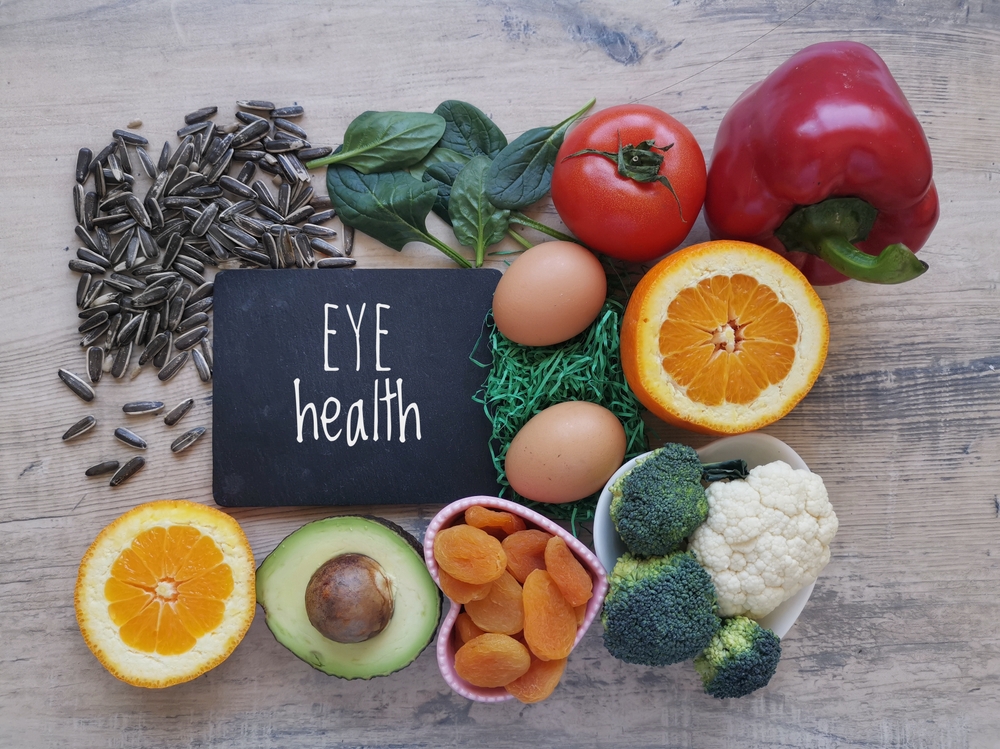
When it comes to eye health, nutrition plays an important role - but there’s also a lot of misinformation circulating about which foods actually help your vision and which claims are simply myths. Let’s clear things up by debunking some of the most common myths about food and eye health, and explain what truly supports long-term vision wellness.
Myth #1: Eating Carrots Will Fix Your Vision
This is perhaps the most well-known eye health myth. Carrots are rich in beta-carotene, which the body converts into vitamin A - an essential nutrient for maintaining healthy vision. Vitamin A plays a role in helping the retina function properly, especially in low-light conditions.
While carrots support eye health, they will not reverse nearsightedness, farsightedness, or astigmatism. If you already have a refractive error, eating carrots won’t eliminate the need for glasses or contact lenses. A balanced diet that includes a variety of nutrients - not just carrots - is far more beneficial for your eyes.
Myth #2: Supplements Can Replace a Healthy Diet
Eye health supplements are widely marketed as a quick solution for better vision, often promising protection against eye disease. Supplements can be helpful in certain situations, such as for patients with moderate to advanced age-related macular degeneration (AMD), as supported by the AREDS2 study. However, supplements are not a replacement for a healthy diet. Whole foods provide a complex combination of vitamins, minerals, antioxidants, and fiber that supplements simply cannot replicate. Whenever possible, nutrients should come from foods like leafy greens, fatty fish, colorful fruits, and vegetables.
Myth #3: Sugar Only Affects Your Teeth, Not Your Eyes
Most people associate sugar with cavities and weight gain, but its impact goes beyond that. High sugar intake can negatively affect eye health, particularly for individuals with diabetes or insulin resistance. Chronically elevated blood sugar levels increase the risk of diabetic retinopathy, cataracts, and vision fluctuations. Maintaining stable blood sugar through a balanced diet is essential for protecting your eyesight over time.
Myth #4: If You Eat Well, You Don’t Need Eye Exams
A nutritious diet is an important part of overall health, but it doesn’t replace professional eye care. Many eye diseases, including glaucoma, macular degeneration, and diabetic eye disease, often develop without noticeable symptoms in the early stages. Even individuals who eat well and see clearly can still have underlying eye conditions.
Comprehensive eye exams are essential for detecting changes in eye health early - often before vision is affected - allowing for timely treatment and better long-term outcomes.
Myth #5: Vision Problems Are Only Genetic, So Diet Doesn’t Matter
Genetics do play a role in eye health, but they are only part of the picture. Lifestyle factors, including nutrition, smoking, UV exposure, and overall health, significantly influence your risk for eye disease. Diets rich in antioxidants such as lutein, zeaxanthin, omega-3 fatty acids, vitamin C, and vitamin E have been linked to a lower risk of certain eye conditions. While you can’t change your genetics, you can make choices that help protect your vision.
Nutrition Matters, But It’s Only One Piece of the Puzzle
Food plays an important role in maintaining healthy eyes, but it’s not a cure-all. No single food or supplement can prevent vision problems on its own, and many eye conditions develop silently. A balanced diet, healthy lifestyle choices, and regular eye exams all work together to protect your vision.
Schedule a comprehensive eye exam at Coastal VisionCare to ensure your eyes stay healthy and your vision remains clear for years to come. Visit our office in Palm Bay, Florida, or call (321) 724-2020 to book an appointment today.


MAP
Powered by: 